
Automatic vs. Petition-Based Record Sealing in Virginia
How the two sealing paths differ, which one applies to your r...
Read more

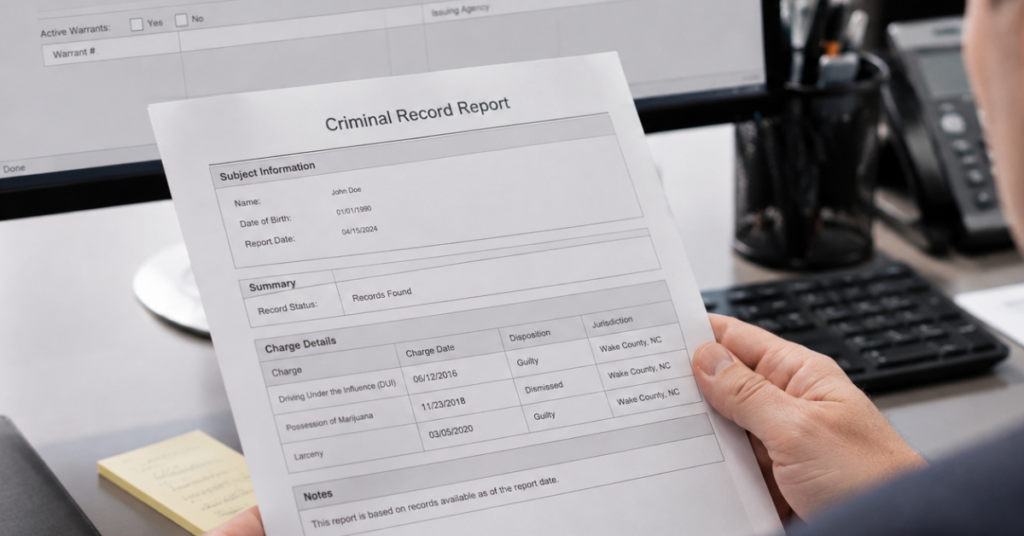
What sealing hides, who keeps access, and which records stay visible no matter what.
Sealing a record raises a fair question: who can still see it? Sealing restricts public access, but it is not total erasure. Some agencies keep access for defined reasons. Knowing the limits helps you plan around them. Our record sealing guide covers who may qualify.
What Does Sealing Hide?
Sealing restricts public access to records of an arrest, charge, or conviction. Most employers, landlords, and licensing boards no longer pull the sealed record in a routine check. For everyday purposes, the record drops out of view. This is the main benefit people seek.
Who Keeps Access to a Sealed Record?
Law enforcement keeps limited access for defined purposes. Courts and certain agencies may see sealed records in specific situations. Some sensitive employers, such as those tied to law enforcement or security clearances, may reach them under the law. Sealing narrows access sharply, but a few doors stay open.
Which Records Cannot Be Sealed at All?
Some records stay public regardless of a petition. Virginia excludes most violent felonies, firearm felonies, and higher-class felonies from sealing. Any offense requiring registration with the Sex Offender and Crimes Against Minors Registry is also excluded. Charges connected to sex crimes carry their own strict limits.
Does the Registry Ever Come Off?
Registry obligations follow a separate legal track from sealing. A sealed record does not remove a registration requirement on its own. The two are governed by different rules. If registration is part of your case, treat it as its own issue and get specific advice.
What can I do now?
List what you need the sealing to accomplish, whether a job, a lease, or a license. Sealing helps with most checks, but the limits matter. Call Gardner & Burks at (540) 582-6333 to review your record and set the right expectation. Get Help Now.

Inside this guide:



© 2026 Gardner & Burks, P.C. All rights reserved.
Website Design Powered by Stafford Technologies
Complete el formulario a continuación. Revisaremos su situación y nos comunicaremos con usted lo antes posible.
Fill out the form below. We'll review your situation and get back to you fast.